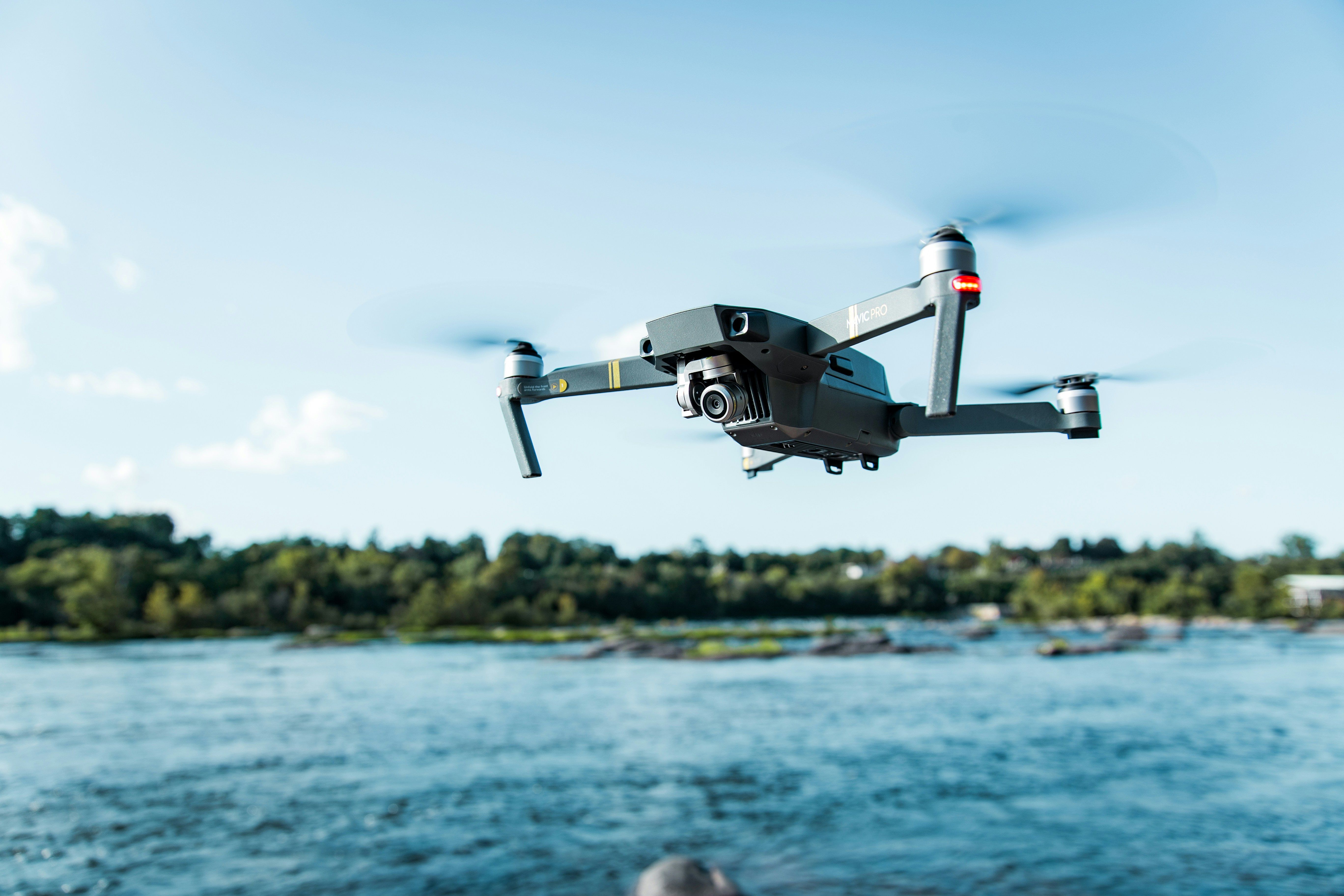
America's drone supply is being squeezed by both Washington and Beijing at once, and the clearest way to profit from it may be to buy the businesses drones spent a decade destroying.
When China's Ministry of Commerce issued Announcement No. 34 on August 5, drones and key parts now face strict case-by-case review when bound for the US, with fast-track licensing withdrawn. The first door already shut in December, when the FCC blocked imports of all foreign-made drones. What is new is the reach into motors, batteries and sensors, which US makers still need to build the replacements.
Nothing is banned, and this makes the news interesting to follow. When Beijing introduced the same friction on rare earth (yttrium) last year, US shipments fell from 333 tonnes to 17 in eight months, mainly by taking too long to grant them instead of direct bans. Exporters call the process slow and deliberately opaque.
What the market is missing? Utilities and pipeline operators with legal duties to inspect cannot stop flying, so some work returns to what drones replaced: crewed survey, rope access, helicopter inspection. However, those operators spent ten years shrinking, selling their aircrafts, letting their pilots retire without training new ones. The survivors still pay for hangars, insurance and salaried crews whether they fly 300 hours or 600, so an extra flight hour costs them fuel and little else. A 15% recovery in volume can move operating profit by far more than 15%.
The catch is that almost nobody can see it. These operators tend to be small, local and private, and the listed firms above them (e.g., engine makers, repair shops, aircraft lessors) serve many markets, and survey work is a small slice of each. So a large move in this corner can barely show up in anyone's results. That is why the market price has not adjusted, because there is no quick route from a busier helicopter to a traded number.
This thesis dies if operators kept idle aircraft, or if drone users just repair old fleets rather than switch. Metric to watch: drone parts and repair demand.
Prediction: crewed survey and inspection flight hours rise high single digits year-over-year by mid-2027.