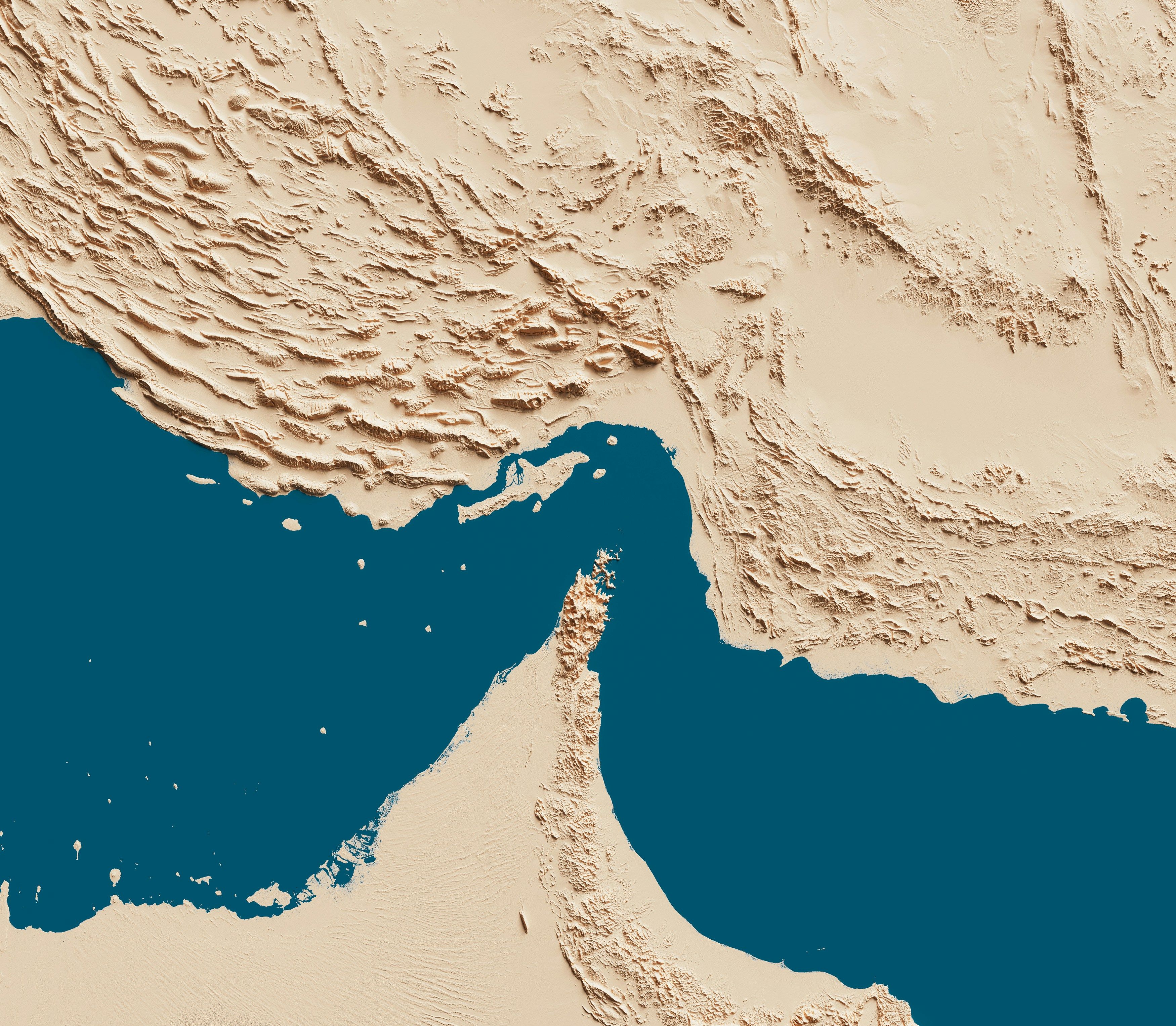
US strikes on Iran have now run for eleven consecutive nights as of July 22, and a Pakistan-brokered push for a short ceasefire has already stalled, with Washington calling Tehran "not serious" about talks. Brent crude is trading near $92, up almost 9% over the past week and close to 19% over the past month. But oil traders have priced this risk for months. The gap that hasn't been priced sits one level down in the refiners that actually turn that crude into fuel and plastics.
Why some refiners are stuck. Taking one step back, oil isn't one product. Middle East crude is mostly medium-to-heavy and high-sulfur ("sour"), and refineries are built with specific equipment to process it. Swapping to lighter, low-sulfur ("sweet") crude from the US or elsewhere usually means lower output and thinner margins on the same barrel. Roughly 60% of Asia's imported oil normally moves through the Strait, which is why Japanese, Korean, Indian, and Chinese refiners are the most exposed group globally.
But exposure isn't uniform. Japan's largest refiner, Eneos, has already locked in alternative crude supply through September and is moving to permanently cut its Middle East reliance. Compare that to Idemitsu Kosan, whose own chairman admitted its refineries are configured for Middle Eastern grades and can't easily run large volumes of US crude. In Korea, SK Innovation and S-Oil lean on more flexible processing units that let them shift output between fuels as supply conditions change.
Therefore, the trade isn't "short Asian refiners." That's already reflected in oil prices and in the sector broadly. The real opportunity is telling apart the refiners with real flexibility (i.e., diversified contracts, adaptable equipment, deeper inventories) from those without it.
What would break this thesis: if Saudi Arabia's Red Sea pipeline expansion or a real ceasefire restores Hormuz flows before this dispersion plays out in the numbers, the gap closes and the edge disappears.
Watch for: refining margins (crack spreads) at Hormuz-dependent refiners over the next two quarters. If flexible refiners like Eneos and SK Innovation don't outperform more rigid peers like Idemitsu Kosan by a visible margin, this thesis was wrong.
Photo by Planet Volumes on Unsplash