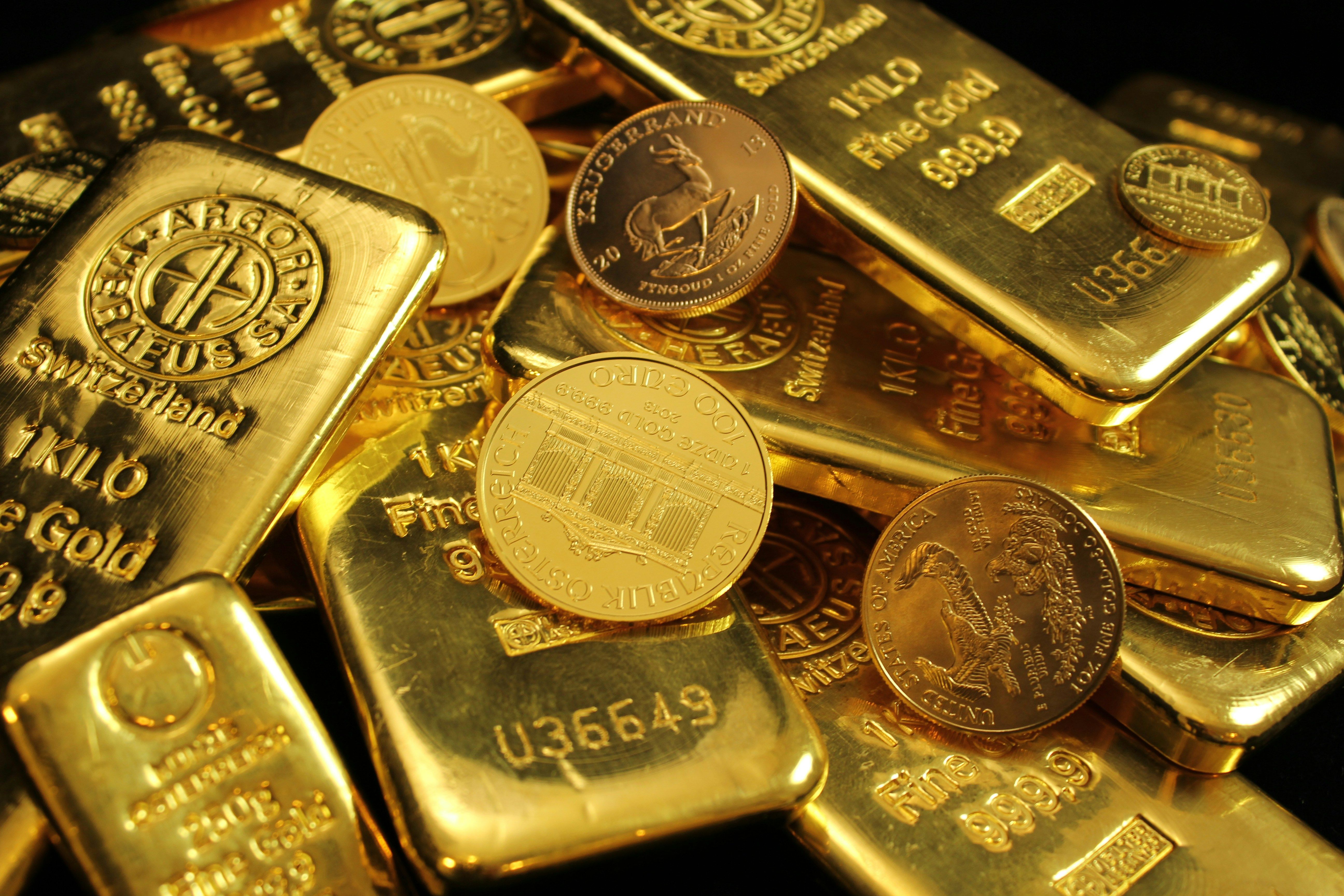
In the first eight months of 2026, the US exported $86.6bn of gold, more than double a year earlier.
Much of it is a round trip. In early 2025, tariff fears pulled roughly 800 tonnes into New York vaults. Once gold was exempted, there was no reason to keep it there. About half of 2026’s export jump is the higher price; the rest, by our estimate, around 490 tonnes, is real metal leaving.
The popular reading is that gold is moving East. London’s vault holdings data says otherwise: it rose every month for a year, from 8,841 to 9,632 tonnes. That’s about 790 tonnes, roughly 300 more than America sent. Someone is buying gold and choosing to leave it in London. Central banks bought at a record second-quarter pace, and Asian investors absorbed what Western funds sold, so Asia is the likeliest buyer.
Why London? Hong Kong’s main vault holds 150 tonnes. Its gold clearing system, which settles trades, starts only in 2027, and it has no gold lending market. In London, an owner can lend gold out for a fee, borrow against it, or sell it within minutes whereas Hong Kong’s hub has just been announced.
Risk. The thesis rests on one trade-off: London’s convenience outweighs the risk of a Western freeze, which Russia’s reserves suffered in 2022. If Asian central banks start bringing gold home, London’s build-up stops.
Prediction. London’s vault holdings keep rising through June 2027, by at least 40 tonnes a month on average.
Counter-signal: after Hong Kong’s clearing launches, its holdings climb while London’s stall, and Hong Kong gold trades at a premium to London. That would mean the East is finally pulling.
Photo by Zlaťáky.cz on Unsplash